

The treatment of left-leg nerve inflammation is one of the most searched and discussed medical topics among people who experience sudden or radiating pain that begins in the lower back and extends along the left leg. This condition is commonly referred to as sciatica or peripheral neuropathy and is usually caused by compression or irritation of the sciatic nerve on the left side of the body.
This irritation causes an uncomfortable sensation of heat, numbness, or sharp pain that interferes with the ability to walk and sit normally, directly affecting quality of life and daily activities. These sudden sensations cause patients concern and lead them to search for the latest medical methods and effective non-surgical solutions for controlling and eliminating the pain.
In this comprehensive article, we review all the details related to the condition, its causes, and accurate diagnostic methods, while highlighting the leading role of Professor Dr. Ramadan Shams El-Din in providing the latest treatment options and advanced rehabilitation protocols to achieve complete recovery.
What Is Left-Leg Nerve Inflammation?
Left-leg nerve inflammation refers to irritation or compression affecting the sciatic nerve or the peripheral nerve fibers extending along the left lower limb.
This irritation disrupts the transmission of nerve signals from the lower back and sacral vertebrae down to the leg and foot, causing sharp pain, numbness, or a burning sensation extending along the leg.
Professor Dr. Ramadan Shams El-Din explains that this condition is most often caused by a spinal disc herniation or narrowing of the spinal canal. This requires an accurate diagnostic assessment to identify the source of compression and determine the appropriate treatment.
#call#
Treatment Methods for Left-Leg Nerve Inflammation
Treatment options for left-leg nerve inflammation vary according to the severity of pressure on the affected nerve and the patient’s response to conservative care. The primary goals are to reduce pain, control inflammation, and restore the patient’s ability to move normally without pain.
Available treatment options include medication, physical therapy, and advanced interventions, as detailed below.
Medication for Left-Leg Nerve Inflammation
The medication plan relies on a comprehensive combination of drugs to reduce swelling around the nerve roots. Nonsteroidal anti-inflammatory drugs may be used to control severe pain, together with specialized nerve-pain medications that calm abnormal nerve signals. The doctor may also prescribe muscle relaxants to relieve spasms around the lower back, along with B-complex vitamins to support nerve regeneration.
Physical Therapy and Motor Rehabilitation
Physical therapy plays a central role in reducing mechanical pressure on the sciatic nerve through carefully designed rehabilitation programs. Sessions may include electrical nerve stimulation, heat therapy, and compresses to reduce spasms. Movement modification and therapeutic massage also help improve blood flow to the affected nerves and significantly reduce tension in the muscles surrounding the lumbar vertebrae.
Appropriate Exercises for Treating Left-Leg Nerve Inflammation
Stretching and physical-rehabilitation exercises help strengthen the muscles that support the spine and reduce pressure on the leg nerve. The main exercises include piriformis stretching and hamstring stretching, which improve leg flexibility. These exercises should preferably be performed gradually and under the supervision of a specialist to avoid excessive strain, with a focus on pelvic-stability exercises to ensure balanced weight distribution while walking.
Injections for Left-Leg Nerve Inflammation
Local injections are an advanced and effective option for cases that do not respond to traditional oral and conservative treatments. An anti-inflammatory corticosteroid may be injected directly around the affected nerve roots using precise image-guided interventional techniques. This method helps reduce nerve swelling and relieve pain for extended periods, giving the patient an excellent opportunity to continue physical therapy without pain.
Surgery for Left-Leg Nerve Inflammation
Surgery is considered the final option when there is advanced nerve damage or motor weakness in the foot. Techniques include removing a herniated disc that is compressing the nerve or widening a narrowed spinal canal in the lower back. These procedures are now performed using microsurgery or advanced endoscopic techniques to minimize surgical intervention, ensure rapid recovery, and help the patient return to normal life.
#call#
Symptoms of Left-Leg Nerve Inflammation
There are several signs and symptoms that may lead a person to seek treatment for left-leg nerve inflammation. The patient may experience symptoms of varying severity that usually begin in the lumbar region of the lower back and travel down the left lower limb.
These symptoms directly affect daily quality of life and include:
-
Sharp, shooting pain: Pain resembling an electric shock or a sharp stab that begins in the buttocks and travels down the back of the thigh and leg.
-
Burning and heat sensation: A painful internal burning sensation extending along the course of the sciatic nerve in the left leg, often worsening with sneezing or coughing.
-
Persistent numbness and tingling: Partial loss of sensation or a constant pins-and-needles sensation in the left leg, ankle, or toes.
-
Muscle weakness and difficulty moving: Difficulty moving the affected leg or weakness when lifting the foot off the ground while walking (foot drop).
-
Pain aggravated by certain positions: A noticeable increase in symptoms when sitting for long periods, standing up suddenly, or bending the torso forward.
-
Associated lower-back pain: Stiffness and pain extending through the lumbar and sacral vertebrae, preceding or accompanying pain in the left leg.
Causes of Left-Leg Nerve Inflammation
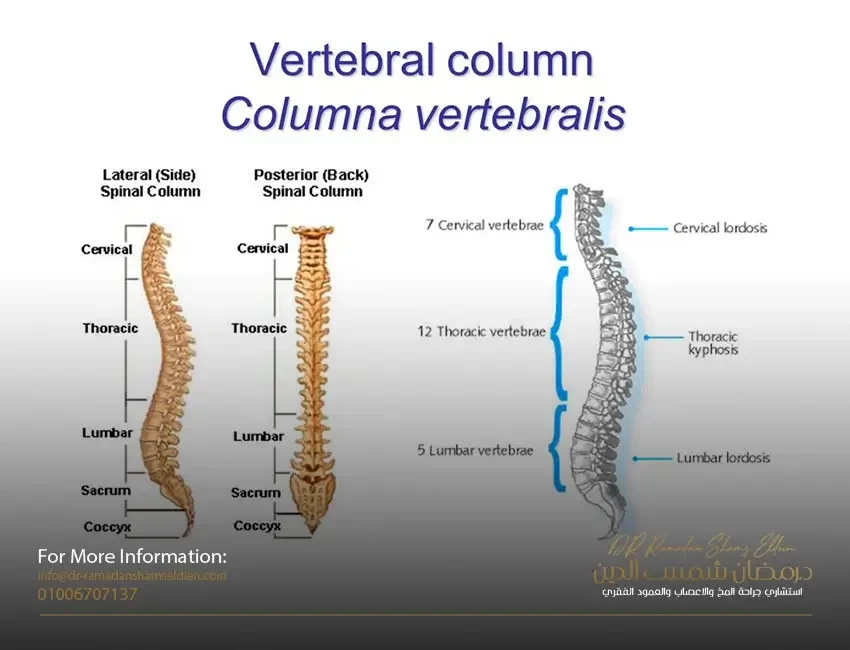
Effective treatment of left-leg nerve inflammation requires a precise understanding of the organic and anatomical causes that irritate the sciatic nerve or its roots on the left side of the body. In most cases, the inflammation results from direct mechanical pressure on the nerve fibers as they exit the lumbar spine and pass through the pelvis toward the lower limb.
The causes and factors leading to irritation of the left-leg nerve include:
-
Lumbar disc herniation: The most common cause. The gelatinous portion of a disc between the lumbar vertebrae—particularly between L4–L5 or L5–S1—protrudes and directly compresses the nerve root traveling toward the left leg.
-
Spinal stenosis: Degenerative changes and aging may narrow the bony passages through which the nerves travel, causing continuous pressure on the sciatic nerve that worsens while walking or standing.
-
Piriformis syndrome: Spasm or enlargement of the piriformis muscle in the buttocks compresses the sciatic nerve, which passes directly beneath it, causing sharp pain that radiates down the left leg.
-
Spondylolisthesis: One lumbar vertebra moves out of its normal position and slips over the vertebra below it, narrowing the neural foramen and placing severe pressure on the nerve fibers.
-
Arthritis and bone spurs: Excess bone growth at the edges of the vertebrae caused by spinal-joint inflammation may rub against the nerves and directly inflame them.
-
Lifestyle and physical strain: Incorrect heavy lifting, prolonged sitting in an unhealthy position, and excess weight increase the mechanical load on the lower-back vertebrae.
How Is Left-Leg Nerve Inflammation Diagnosed?
Successful treatment of left-leg nerve inflammation depends on a precise and carefully structured diagnostic plan that distinguishes between the different causes of nerve compression. Medical methods and modern technologies are combined to identify the exact source of inflammation and the extent of damage to the sciatic nerve.
The main diagnostic steps include the following:
Clinical and Neurological Examination
Diagnosis begins with a comprehensive clinical assessment of muscle strength, reflexes, and sensitivity to touch and temperature in different parts of the leg and foot. The doctor may perform the straight-leg-raise test (Lasègue’s test) to assess the nerve’s response to stretching and confirm whether its lumbar roots are irritated.
Spinal Imaging
Imaging studies help reveal structural changes in the lower back. X-rays may show spinal alignment, arthritis, or bone spurs. Magnetic resonance imaging (MRI) is considered the gold standard for accurately diagnosing disc herniation and showing details of the soft tissues and compressed nerves inside the spinal canal.
Nerve and Muscle Studies
Nerve conduction studies and electromyography (EMG/NCS) are used to measure the speed and efficiency of electrical conduction through the nerve fibers extending into the leg. This procedure helps determine the level of nerve damage and distinguish between compression of a nerve root in the lower back and peripheral neuropathy along the leg.
Tips for Relieving Left-Leg Nerve Pain at Home
Daily home care and initial symptom control can support the treatment of left-leg nerve inflammation and reduce acute attacks that interfere with movement. Following healthy practices helps reduce swelling around the sciatic nerve and relieve associated muscle spasms in the lower back and leg.
Important home-care recommendations include:
-
Alternate cold and warm compresses: During the first 48 hours, apply ice packs wrapped in a cloth to the lower back for 15–20 minutes several times a day to reduce inflammation and swelling. Then switch to warm compresses to improve circulation and relax tight muscles.
-
Avoid prolonged bed rest: Resume light activities and short walks as soon as the acute pain improves. Remaining in bed continuously for more than two days weakens the muscles, increases spinal stiffness, and aggravates nerve irritation.
-
Adjust sitting and sleeping positions: Sit on chairs that support the lower back, avoid leaning forward or crossing one leg over the other, and sleep on your side with a pillow between your knees. Alternatively, sleep on your back with a pillow under your knees to reduce direct pressure on the lumbar vertebrae.
-
Avoid lifting heavy objects: Completely avoid carrying heavy items or making sudden bending and twisting movements of the back. Bend your knees and use your leg muscles when picking anything up from the floor.
-
Use medical supports and pillows: Use specially designed lumbar-support pillows while driving or working at a desk to reduce continuous mechanical strain on the affected nerve.
Exercises That May Help Relieve Left-Leg Nerve Inflammation
Carefully planned therapeutic exercises play an effective role in an integrated treatment plan for left-leg nerve inflammation, provided they are performed cautiously and according to the body’s response. These directed movements help release muscle spasms and stretch the tissues surrounding the lumbar vertebrae, making it easier to move the lower limb without severe pain.
The most useful simple home exercises include:
-
Piriformis stretch: Lie on your back with your knees bent. Place the ankle of the affected left leg over the thigh of the right leg, then gently draw the right thigh toward the chest until a mild stretch is felt in the buttocks and left side. Hold for 20 seconds.
-
Single-knee-to-chest stretch: Lie flat on your back with both legs extended. Gradually bend the left knee and gently pull it toward the chest with both hands. Hold for approximately 15 seconds to reduce lower-back muscle tension and stretch the nerve pathway.
-
Gentle lower-back flexion (cat-cow stretch): Get onto your hands and knees. Slowly arch the back upward toward the ceiling while lowering the head, then carefully reverse the movement by lowering the abdomen toward the floor to mobilize the spinal vertebrae.
-
Hamstring and calf stretch: Sit on the edge of a chair with the left leg extended forward and the heel on the floor. Gently bend forward from the hips without rounding the spine until a mild stretch is felt in the back of the left thigh.
Can Left-Leg Nerve Inflammation Be Permanently Treated?
Yes. In most cases, left-leg nerve inflammation can be treated and eliminated completely, particularly when it is detected early and the exact cause of pressure on the sciatic nerve is identified. Complete recovery depends on removing the source of irritation, whether it is a disc herniation, muscle spasm, or narrowing of the neural pathway.
Conservative medication protocols and physical therapy lead to recovery in more than 80% to 90% of patients without the need for surgery. In advanced cases that do not respond to initial solutions, modern interventions such as local injections or precise microsurgery provide excellent results and allow patients to return fully to their normal lives without recurrent pain.
How Long Does Treatment for Left-Leg Nerve Inflammation Take?
The time required to treat left-leg nerve inflammation varies according to the severity of the inflammation, its underlying cause, and the patient’s adherence to medical instructions and recommendations:
-
Mild to moderate cases: Recovery and noticeable improvement generally take 4–6 weeks with relative rest, pain medication, and physical-therapy sessions.
-
Severe or chronic cases: Complete recovery may take 2–3 months, especially when there is significant disc compression requiring intensive strengthening and motor rehabilitation.
-
After surgery or injections: Relief and pain reduction may begin immediately or within a few days of the procedure, while rehabilitation to restore full muscle strength continues for 4–8 weeks.
When Is Left-Leg Nerve Inflammation Dangerous?
Left-leg nerve inflammation is serious and requires urgent medical intervention when signs appear indicating severe, direct pressure that threatens the integrity and blood supply of the nerve fibers.
The condition becomes an emergency requiring immediate evaluation when any of the following signs are noticed:
-
Cauda equina syndrome: Sudden loss of control over urination or bowel movements, or complete numbness in the saddle area between the thighs.
-
Progressive motor weakness or foot drop: Inability to lift the front of the left foot while walking or severe heaviness that prevents the leg from bearing body weight.
-
Complete loss of sensation: Numbness and tingling extending throughout all parts of the leg and foot without relief.
-
Severe pain unresponsive to medication: Persistent, intense pain that worsens even while lying down and resting and completely prevents sleep.
Signs That Require Immediate Medical Consultation
Although most cases of nerve irritation gradually improve with conservative care, certain severe warning signs indicate significant pressure threatening the safety of the nerve tissue. If any of these symptoms appear, the patient should go to a clinic immediately to prevent complications or permanent damage to the nerve fibers extending into the leg.
The most important signs requiring urgent medical examination include:
-
Loss of bladder or bowel control: Sudden urinary incontinence or inability to control bowel movements.
-
Saddle anesthesia: Complete loss of sensation or numbness in the area around the pelvis and between the thighs.
-
Foot drop: Sudden motor weakness that prevents the patient from lifting the front of the left foot or walking on the heels.
-
Spread of motor weakness: Severe weakness and numbness that rapidly extend throughout the left leg and cause stumbling or falls while walking.
-
Severe, constant, unbearable pain: Intense pain that does not improve with bed rest or strong painkillers and completely prevents sleep.
Treatment of Left-Leg Nerve Inflammation with Professor Dr. Ramadan Shams El-Din
Choosing a specialized doctor is the essential step and a guarantee of genuine recovery when seeking treatment for left-leg nerve inflammation. Neurological assessment requires a high degree of precision to identify the direct cause of compression and design a treatment plan tailored to each patient.
Professor Dr. Ramadan Shams El-Din provides an integrated medical approach based on the latest international protocols for treating spinal and neurological diseases and performing related surgeries, with an emphasis on non-surgical solutions and advanced interventional techniques.
Under Professor Dr. Ramadan Shams El-Din’s supervision, medical care includes the following stages:
-
Early and accurate diagnosis: Using advanced clinical examination techniques, careful interpretation of MRI scans, and nerve studies to identify the source of irritation precisely.
-
Non-surgical interventional treatment plans: Applying the latest image-guided focal injection techniques and nerve-root injections to reduce inflammation immediately and minimize the need for traditional surgery.
-
Customized motor-rehabilitation programs: Supervising physical-therapy programs to strengthen the back muscles and fully restore leg flexibility without future relapses.
-
Microsurgical interventions: When surgery is required, using the latest endoscopic and minimally invasive microsurgical techniques to achieve the highest success rates and the fastest possible recovery.
#call#
أسرع طريقة للسيطرة على التهاب الأعصاب الحاد هي الجمع بين العلاج الدوائي المباشر (مثل مضادات الالتهاب غير الاسترويدية وأدوية آلام الأعصاب المتخصصة تحت الإشراف الطبي) مع الراحة النسبية وتطبيق الكمادات الباردة؛ حيث تساهم هذه الخطوات في تقليل التورم والضغط حول العصب في أقصر وقت ممكن.
يكون ألم الرجل اليسرى خطيراً ويستدعي التدخل الطبي العاجل إذا صاحبه فقدان مفاجئ للسيطرة على المثانة أو الأمعاء، أو تنميل في منطقة السرج (بين الفخذين)، أو وجود ضعف حركي شديد يمنع رفع مقدمة القدم (هبوط القدم)، أو إذا كان الألم حاداً ولا يتراجع إطلاقاً مع الراحة والمسكنات.
أفضل علاج هو الخطة الشاملة التي تبدأ بتحديد السبب الرئيسي للضغط؛ وتتضمن تناول الأدوية المهدئة للأعصاب وفيتامينات "ب" المركبة، استخدام الضبانات والعدسات الطبية داخل الأحذية لتقليل الإجهاد الميكانيكي، والالتزام بجلسات العلاج الطبيعي وتمارين الإطالة المخصصة للقدم والساق.
يمكن التخفيف من حدة التهاب العصب منزلياً عبر استخدام الكمادات الباردة لمدة 15-20 دقيقة لتقليل التورم ثم الدافئة لإرخاء العضلات، أداء تمارين الإطالة الخفيفة كمط العضلة الكمثرية، تجنب الجلوس أو الوقوف لفترات طويلة، والنوم بوضعية صحية مع وضع وسادة بين الركبتين لتخفيف الضغط عن العمود الفقري.